Choose Electronics Recycling for Environmental Care
Green Initiatives: How E-Waste Recycling Services Are Protecting Our Planet
E-waste poses significant threats Read this to the environment, as discarded electronics often contain toxic materials. Such dangerous compounds can pollute soil and water supplies, leading to broader ecological damage. Electronic waste recycling programs offer an effective remedy. They successfully retrieve useful resources while simultaneously minimizing environmental pollution. Comprehending the operation of these services and their influence on communities is of great importance. Pursuing efficient e-waste management brings forth pressing questions regarding individual duties and shared responsibility. What steps can be taken next?
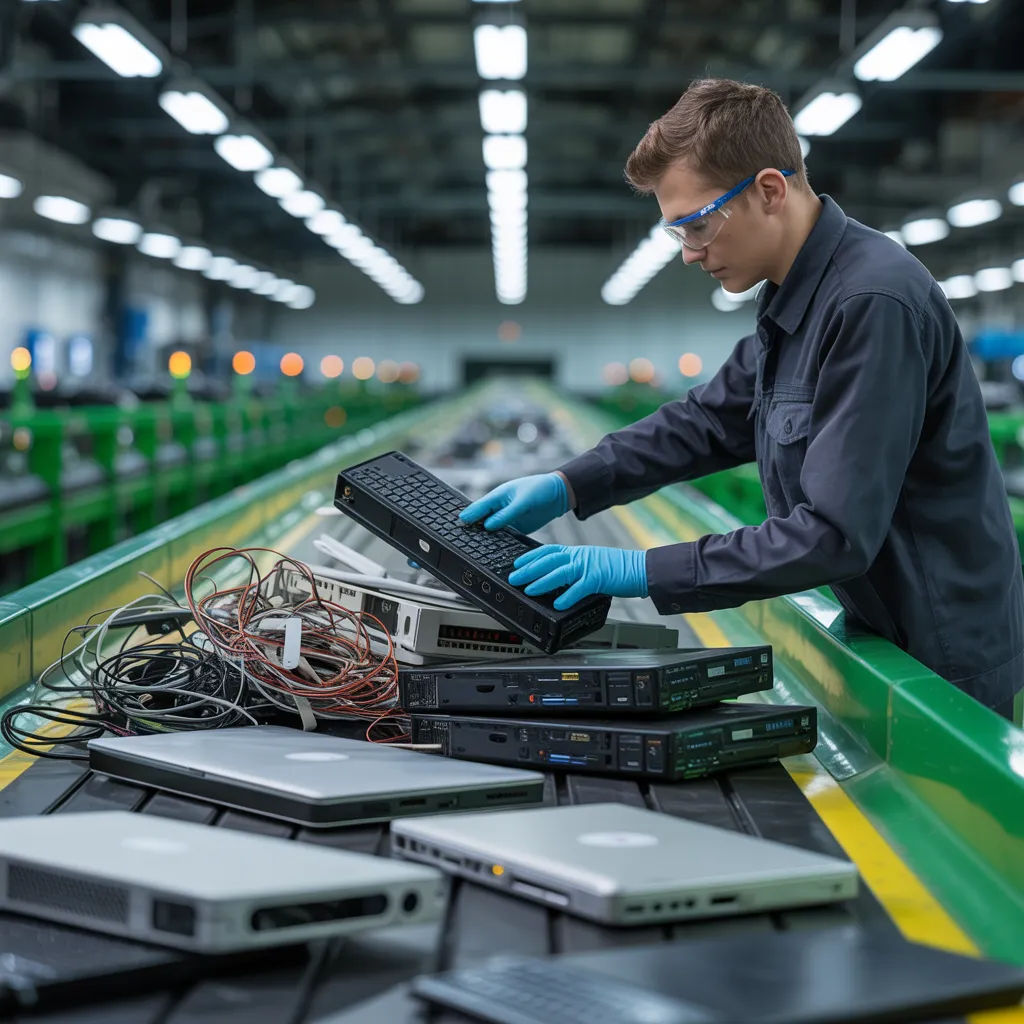
Why E-Waste Is Bad for the Planet
Although technological advancements improve our daily lives, e-waste creates significant environmental threats. Disposed electronic equipment, often containing dangerous compounds like cadmium, lead, and mercury, are capable of seeping pollutants into soil and groundwater, presenting dangers to ecosystems and human health. The rapid pace of technological advancement leads to higher rates of electronics disposal among consumers, exacerbating the accumulation of discarded electronic materials.
Landfills, already burdened with waste, struggle to accommodate the growing volumes of discarded gadgets. Incineration, another disposal method, releases harmful pollutants into the atmosphere, contributing to air quality degradation. Moreover, poor recycling procedures can cause e-waste to be sent to developing regions, where employees may disassemble electronics without sufficient safety precautions, leaving them vulnerable to harmful substances. This pattern of negligence and mismanagement highlights the critical demand for eco-friendly recycling alternatives that can reduce the damaging impact of electronic waste on the environment.
What Is E-Waste and Why Is It Important?
Electronic waste, commonly known as e-waste, includes unwanted electronic equipment including computers, smartphones, and televisions that have reached the end of their useful life. This growing category of waste is significant because of its swift buildup, fueled by innovation in technology and shifting consumer habits. As more devices become obsolete, the environmental impact intensifies, with harmful substances like lead, mercury, and cadmium threatening both ecosystems and public health.
Addressing e-waste is crucial not only for reducing these dangers but also for acknowledging the precious materials found within it. Valuable metals and rare earth materials can be extracted and repurposed, lessening the demand for mining and preserving natural resources. By understanding e-waste and its implications, individuals and organizations can make informed decisions about disposal and recycling, ultimately contributing to a more sustainable future. Proper management of e-waste is essential for fostering a circular economy and promoting environmental stewardship.
How E-Waste Recycling Works
Recycling e-waste involves a structured approach intended to extract beneficial components while minimizing environmental impact. To begin, e-waste is collected and transported to dedicated processing centers. Upon arrival, the electronics are carefully categorized to distinguish harmful elements from reusable resources.
Following this, employees break down the electronics, removing plastics, metals, and glass. This phase is essential, as it makes possible the reclamation of rare metals like copper, gold, and silver, which can be reused in new electronics.
Afterward, the separated materials are processed using advanced techniques, such as chemical treatments and shredding, to refine them for recycling.
Ultimately, the leftover hazardous waste is handled with responsibility, complying with environmental regulations. This systematic method not only conserves resources but also reduces the dangers connected to irresponsible electronic waste disposal, guaranteeing a greener future for electronic device usage.
How E-Waste Recycling Benefits You and Your Community
While many individuals may not realize it, the advantages of e-waste recycling reach well past personal use to meaningfully influence entire communities. By carefully processing electronic waste, individuals help foster a healthier environment, minimizing harmful substances that can contaminate soil and water. This proactive approach helps preserve local ecosystems and promotes public health.
In addition, e-waste recycling promotes employment opportunities within local communities. Local recycling facilities often require personnel for numerous tasks, spanning collection through processing, consequently creating meaningful employment for local residents. This not only stimulates the local economy but also fosters community involvement in eco-friendly practices.
Moreover, knowledge about e-waste recycling may result in educational initiatives, equipping residents to pursue greener alternatives. By engaging with e-waste recycling programs, individuals cultivate a culture of sustainability, prompting others to do the same. All things considered, the collective impact of these actions can lead to a more resilient and environmentally responsible community.
Tips for Choosing an E-Waste Recycling Service
Selecting the best e-waste disposal service is crucial for ensuring that electronic waste is handled responsibly and sustainably. Initially, individuals should confirm the company's certifications, such as R2 or e-Stewards, which indicate adherence to professional guidelines for safe recycling practices. It is equally important to assess the company's standing by checking reviews and obtaining advice from dependable sources.
Moreover, transparency in the recycling process is vital. A reliable service should supply straightforward details about the manner in which e-waste is managed and what happens to the materials. Additionally, assessing the variety of services available can be advantageous; various firms may supply retrieval services or extend benefits for recycling.
Finally, being aware of local guidelines related to e-waste disposal can additionally influence the evaluation process. When these considerations are given priority, residents can actively participate in responsible e-waste disposal while supporting environmentally responsible practices.
How You Can Get Involved in E-Waste Recycling?
Participating in e-waste recycling may begin at the local level, where community recycling hubs regularly supply essential services for safe disposal. Additionally, taking part in community awareness campaigns can amplify efforts to inform others regarding the importance of ethical e-waste practices. These actions not only encourage sustainable practices but also build a collective sense of accountability for the environment.
Regional Recycling Centers
Numerous community recycling facilities perform an important function in electronic waste recycling, offering communities convenient opportunities to discard electronic waste in an eco-friendly way. These centers accept a variety of electronic equipment, including old computers, smartphones, and televisions, verifying that toxic materials are disposed of safely. The majority of facilities employ knowledgeable personnel who help individuals navigate appropriate disposal procedures, stressing the significance of recycling instead of landfilling. In addition, various hubs coordinate scheduled drop-off occasions or specific collection dates, allowing residents to take part with ease. Through the use of these community services, people help build a circular economy, lowering environmental harm and encouraging sustainable habits. Connecting with these stations encourages communities to fight e-waste pollution decisively.
Community Awareness Campaigns
Local organizations, schools, and businesses can work together to organize events that support e-waste collection drives. Community members can serve a critical function in raising awareness, sharing informational resources, and connecting with local residents. By means of these joint initiatives, residents become more informed and motivated to recycle their electronic waste, ultimately contributing to a more sustainable future.
Frequently Asked Questions
What Kinds of Electronics Can Be Recycled?
Numerous electronics are able to be recycled, including laptops, televisions, smartphones, printers, computers, and gaming consoles. Furthermore, ancillary devices such as batteries, keyboards, and mice are equally appropriate for recycling, aiding in eco-friendly conservation initiatives.
Are There Fees Involved With E-Waste Recycling?
Yes, e-waste recycling sometimes comes with charges, based on the service provider. Some service centers impose charges for collection or processing, while some providers offer free services, typically funded by the resale of recovered materials.
What Are the Benefits of E-Waste Recycling for Businesses?
Companies can take advantage of e-waste recycling by lowering disposal expenses, improving their green reputation, meeting compliance standards, recovering valuable materials, and possibly earning income through resale, thereby fostering a more environmentally responsible business approach.
What Occurs with Data on Recycled Devices?
Information on repurposed electronics is often completely removed or obliterated during processing. This guarantees private details is kept safe, stopping improper access while permitting resources to be repurposed carefully and ethically in new products.
Are Broken Electronics Eligible for Recycling?
Absolutely, broken electronics can be recycled. A wide range of recycling centers process damaged devices, ensuring proper disposal and retrieval of valuable materials. Doing so helps minimize the environmental footprint while encouraging sustainable recycling habits to manage electronic waste effectively.